Ever feel like navigating the world of insurance can be as tricky as sailing through the Bermuda Triangle? Well, you’re not alone. The quest for the best insurance rates in NC is a journey that many embark on but few truly master. With numerous factors at play, it’s essential to arm yourself with the right knowledge and strategies to ensure you’re not overpaying while securing the coverage you truly need.
Here, we’re diving deep into the heart of insurance rates in North Carolina, unraveling the mysteries that drive these figures and uncovering the smartest strategies to achieve the best deals. From demographic determinants to geographical considerations, we’ll guide you every step of the way so you can make informed decisions and potentially save a small fortune!




Overview of Insurance Rates in North Carolina
Did you know insurance rates in North Carolina have fluctuated dramatically over the years? You’re about to discover what makes NC’s insurance landscape tick.
North Carolina boasts some unique factors that influence its insurance rates. From the unpredictable weather to the state’s specific legislation, these components play a crucial role in determining what you’ll pay. But what’s really intriguing is how these rates have evolved over time.
Key Factors Influencing Insurance Rates in NC
Here’s the deal: several pivotal elements drive your insurance costs in North Carolina. Let’s take a closer look:
- Weather patterns: Hurricanes and storms can affect rates significantly.
- State regulations: North Carolina’s insurance laws are unique.
- Demographic shifts: Changes in population density and driver profiles impact costs.
- Urban vs. rural: City dwellers tend to pay different rates compared to those in rural areas.
- Historical claims data: More claims, higher premiums.
Pro Tip: Don’t forget to shop around yearly, as insurance rates can change dramatically.
Types of Insurance Available in North Carolina
You’ve got options. From mandatory to optional, here’s what you can cover yourself with in the Tar Heel State:
- Auto insurance: Required for all drivers.
- Home insurance: Highly recommended, especially in storm-prone areas.
- Health Insurance: Ensure you understand your options, especially with evolving healthcare policies.
- Renters Insurance: Protects your personal property in rental homes.
- Flood insurance: Crucial if you’re in a flood-prone zone.
Insurance Rate Trends in NC Over the Years
Feeling the pinch? You’re not alone. Let’s dissect how rates have transformed in recent years:
| Year | Average Rate Change |
|---|---|
| 2018 | -2% |
| 2019 | +3% |
| 2020 | +1.5% |
| 2021 | +5% |
| 2022 | +4.7% |
The data shows a noticeable upward trend. It’s crucial to stay updated on these shifts, especially if you want to keep your expenses in check.
Factors Affecting Insurance Rates in NC
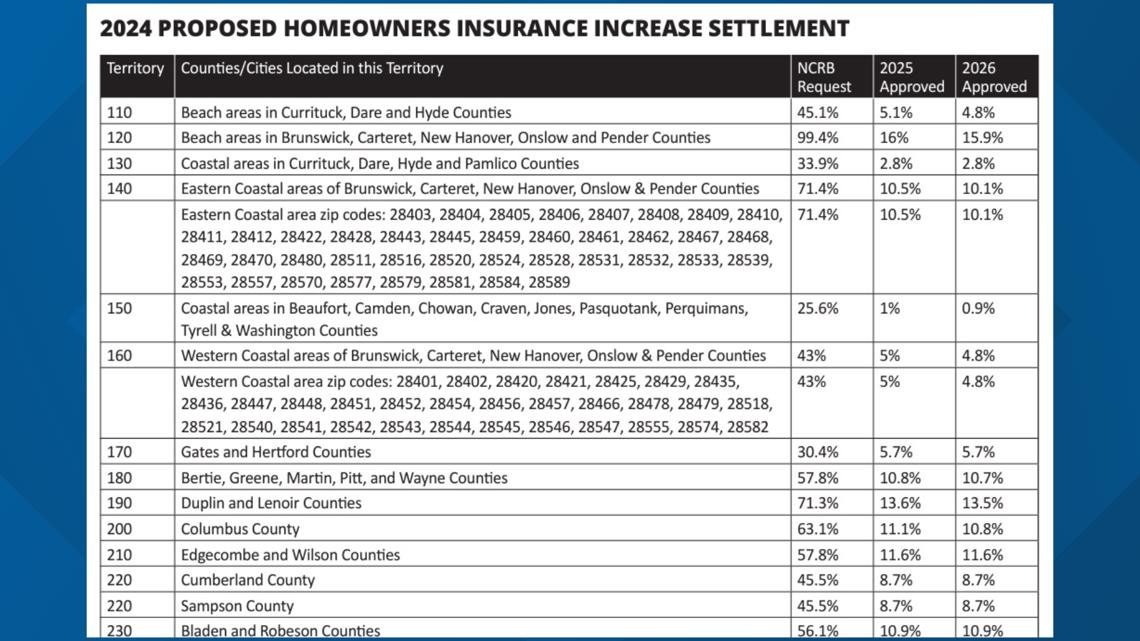
Have you ever wondered why your neighbor pays less for insurance than you do? It’s not just because they have a better car. In North Carolina, a variety of factors can significantly affect your insurance rates. Let’s break them down.
While you’re probably aware that insurance isn’t a one-size-fits-all deal, understanding the specific elements that determine your premiums can really give you an edge. So buckle up, because the journey to the best insurance deal starts now.
Demographic Factors Influencing Insurance Rates in NC
Some people don’t realize that your age, gender, and even marital status can influence your rates. If you’re a young male driver, brace yourself. Statistically, you’re considered a higher risk, and that often leads to higher premiums. On the flip side, mature and married drivers often enjoy lower rates.
But here’s the deal: it’s not just about who you are, but also about what kind of coverage you need. Insurance companies play the odds, and if they think you’re more likely to file a claim, you’re going to pay more.
Impact of Geographical Location on Insurance Rates in NC
Your zip code might be as crucial as your driving record. Urban areas like Charlotte and Raleigh are bustling but also riskier for insurers due to higher accident rates and theft incidents. Living in these areas could mean higher premiums.
Conversely, if you’re residing in a serene town like Boone or Asheville, you’re in luck. Lower traffic congestion and crime rates could save you some serious cash.
But remember, each insurance company evaluates risk differently, so shop around and compare offers extensively.
- If you move, reevaluate your coverage.
- Consider the crime rate of a new neighborhood.
- Check how local laws might affect your rates.
Influence of Driving Records on Car Insurance Rates in NC
Here’s a shocking stat: even a single speeding ticket can hike your insurance by up to 20%. In North Carolina, your driving record is a primary factor insurers scrutinize when calculating your premiums.
Your driving habits today can affect your insurance costs tomorrow!
And it’s not just about speeding tickets. DUIs, accidents, and even minor violations accumulate points that can cause your rates to skyrocket. The cleaner your record, the more you save, potentially earning discounts for being a “safe driver.”
- Step #1: Request a copy of your driving record annually.
- Step #2: Aim to maintain a point-free driving record.
- Step #3: If possible, take defensive driving courses to mitigate points.
Top Insurance Providers in North Carolina
Did you know that choosing the right insurance could save you hundreds of dollars annually?
Let’s dive into the top insurance providers in North Carolina and how they stack up. The Tar Heel State is home to some rock-solid options, but there’s a lot more to it than just picking the cheapest premium. Customer satisfaction, coverage options, and average rates are crucial factors. Here’s the deal: it’s about knowing your choices.
North Carolina’s Leading Insurance Companies
When it comes to top insurers in North Carolina, you have a variety of options. They differ significantly in what they offer. Take a look:
| Provider | Coverage Options | Customer Ratings | Average Rates |
|---|---|---|---|
| State Farm | Auto, Home, Life | 4.5/5 | $1,234 |
| Geico | Auto, Renter, Motorcycle | 4.2/5 | $1,100 |
| North Carolina Farm Bureau | Home, Auto, Health | 4.8/5 | $1,300 |
| Allstate | Auto, Home, Renters | 4.3/5 | $1,250 |
Here’s how these providers shine: State Farm is known for excellent customer service and a wide array of policies. With a strong presence and a solid 4.5 rating out of 5, they excel in providing comprehensive packages.
Pro Tip: Don’t just focus on the rates. Look into customer service reviews—they can save you a lot of headaches in the long run.
Geico might attract you with their catchy ads, but they deliver where it counts: affordable auto insurance that’s tough to beat in terms of cost. They rate a respectable 4.2 out of 5 from customers. Plus, they’ve got renter’s and motorcycle insurance on the list.
For those living in rural areas, the North Carolina Farm Bureau emerges as a top contender. With one of the highest ratings at 4.8, they specialize in personalized service focused on community members. Allstate, with its wide-ranging coverage options, boasts a strong 4.3 rating. They’re a go-to for folks looking for bundled deals.
But remember, buyer beware: average rates often hide the additional costs related to claims and customer service experiences. Your strategy should not only be about getting the best deal today—but also in the future.
How to Find the Best Insurance Rates in NC
Did you know you might be overpaying for insurance in North Carolina? Many people are. Don’t be one of them.
But finding the best insurance rates isn’t as simple as picking the first provider you come across. You need a strategy to save money and still get comprehensive coverage. Here’s the deal: with a little bit of time and the right approach, you can uncover rates that suit your budget.
Strategies for Comparing Insurance Rates Effectively
Let’s face it: shopping for insurance can be overwhelming. With so many options out there, how do you narrow it down? The key is to compare effectively. Start by using online comparison tools. These platforms let you see multiple providers’ rates side by side. But don’t stop there. Contact companies directly to ask for any exclusive discounts or offers not listed online.
Checklist for Evaluating Insurance Policies
Before you sign on the dotted line, ensure you’ve thoroughly evaluated the policy. Here’s a checklist to guide you:
- Coverage limits and terms
- Exclusions and conditions
- Provider’s customer service ratings
- Premium costs vs. deductibles
- Add-on services or benefits
- Discount eligibility (good driver, multipolicy, etc.)
Pro Tip: Always read the fine print and ask for clarification on any terms you don’t understand. It’s better to ask now than pay for it later.
Methods for Negotiating Better Rates with Providers
Once you’ve found a policy you like, it’s time to talk numbers. Did you know insurers are often willing to negotiate rates? Yes, they are. Start by highlighting your exemplary record, such as having no recent claims or maintaining your home well. You can also mention competitive offers from other providers. Make it clear you’re ready to commit if they can improve the offer.
Tips for Reducing Insurance Costs in NC
Did you know that North Carolinians pay an average of $1,325 annually for car insurance? BUT, there are smart strategies you can use to shave off those digits. Let me show you how!
Here is the deal: If you want to slash your insurance bills, you need to take advantage of all available discounts and optimize your coverage. Many people overlook this goldmine of savings.
Available Discounts for NC Residents
North Carolina insurance companies offer a range of discounts. Here’s a quick list to get you started:
- Safe driver discounts that reward you for accident-free driving.
- Multi-policy discounts when bundling different types of coverage.
- Loyalty discounts for staying with the same insurer over time.
- Good student discounts for younger drivers with high grades.
If you’re not taking advantage of these, you’re leaving money on the table. Ask your insurer about every available discount—you might be surprised at what’s out there.
Steps to Improve Your Eligibility for Lower Rates
So you’ve identified potential discounts, but how do you qualify for more of them? It’s time to level up your eligibility:
- Maintain a spotless driving record by following traffic laws and avoiding accidents.
- Consider taking a defensive driving course, which can sometimes earn you a discount.
- Improve your credit score, as it’s often a factor in insurance premiums.
- Update your vehicle with safety features that insurers love—they might give you a bonus for it!
Pro Tip: Review your insurance policy annually to ensure you’re not missing out on fresh discounts or benefits.
Maximizing Savings Through Bundling
Want to save more than just a little? Let’s talk about bundling your insurance policies. This is where things get interesting:
Bundling is the practice of combining multiple insurance policies, like home and auto, with the same provider. Why does this help? Insurers reward customers who bring them more business.
| Policy Types | Potential Savings |
|---|---|
| Home + Auto | Up to 25% |
| Auto + Life | Up to 15% |
| Home + Life | Up to 20% |
These percentages might not look huge, but they add up significantly over time. Mix and match according to your needs, and talk to your provider to find the best bundling deal for you.
Legal and Regulatory Considerations
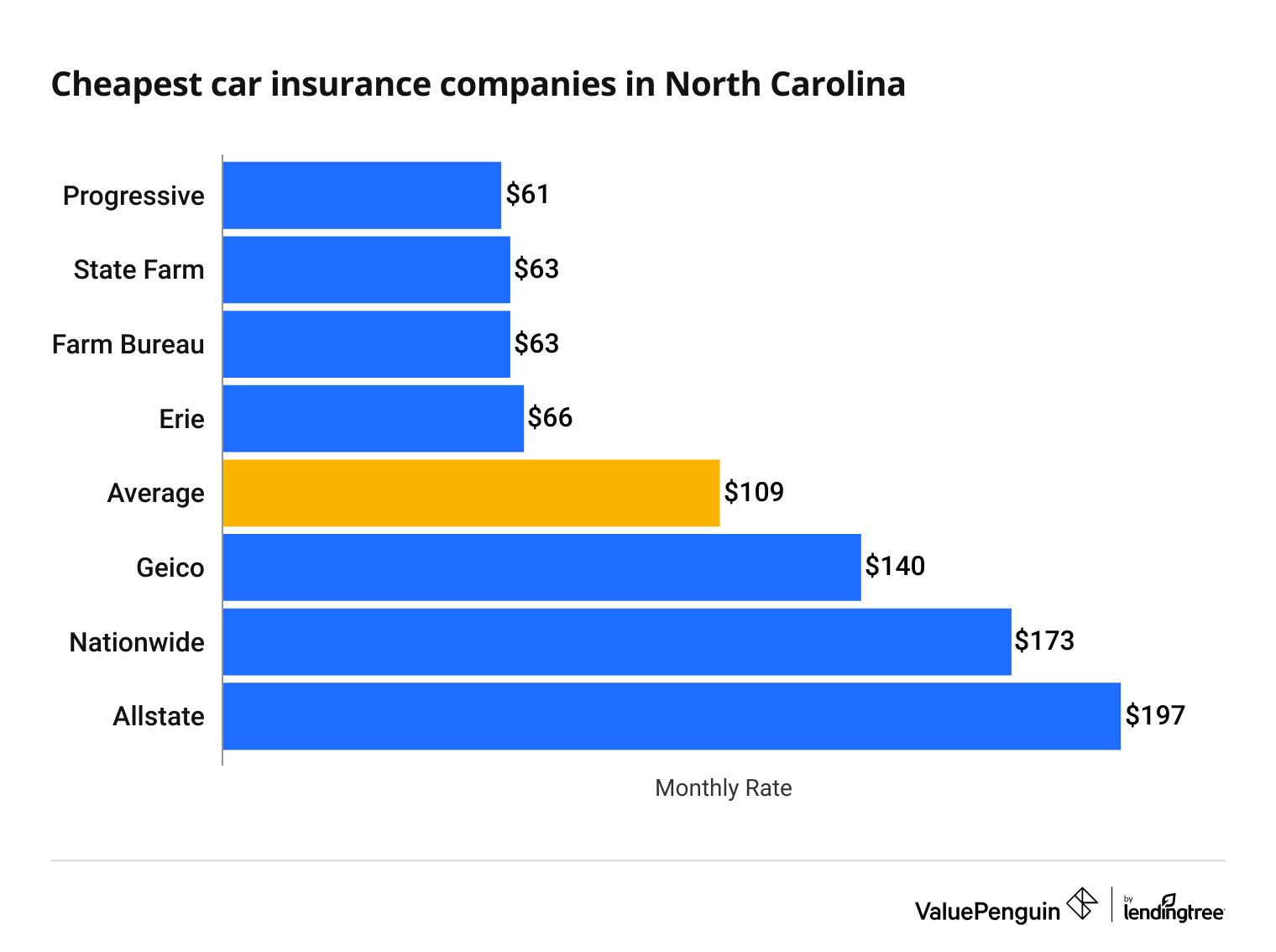
Are you aware that state regulations can drastically affect your insurance rates in North Carolina? These regulations are more than just paperwork—they can either inflate or deflate what you pay monthly.
Understanding these legal frameworks is crucial. They artikel what insurers can and cannot do, directly impacting your wallet. So, let’s break down what you need to know to protect yourself and optimize costs.
State Regulations Governing Insurance Policies in NC
The North Carolina Department of Insurance (NCDOI) oversees all insurance activities within the state. They ensure companies adhere to a strict set of guidelines to maintain fairness. Recently, certain legislative changes have broadened oversight, meaning that insurance companies have to clearly justify any rate hikes. This is a win for consumers like you.
Impact of Recent Legislative Changes on Insurance Rates
Recent legislation in NC has blue-penciled some dramatic changes to how insurance rates are calculated. The focus is on using more consumer-friendly metrics. This is crucial because it means your rate is less likely to spike unexpectedly. BUT, there’s a flip side: stricter scrutiny also means fewer loopholes for reducing costs unfairly.
Summary of Consumer Rights Regarding Insurance in NC
Here’s the deal: as a consumer in North Carolina, you have rights that safeguard your interests. You’re entitled to clear and honest communication about your policy’s terms and any changes. You also have the right to dispute inaccurate claims or billing errors.
Pro Tip: Always review your rights under the state’s insurance regulations before signing a policy. It can save you from future headaches!
Closure
As you set sail on your insurance journey in North Carolina, remember that knowledge is your compass. By understanding the ins and outs of the market and applying strategic insights, you can navigate to the best insurance rates in NC. Armed with understanding and a checklist for evaluation, you’re empowered to make confident choices that protect your future without breaking the bank. Here’s to wise decisions and peace of mind!
FAQ Section
What factors most influence insurance rates in North Carolina?
Key factors include your location, age, driving record, and even the car model you drive. Demographics and local laws also play a significant role.
How can I lower my insurance rates in NC?
Consider bundling policies, maintaining a clean driving record, and exploring available discounts like those for safe drivers or veterans.
Which insurance provider offers the best rates in NC?
It depends on the type of coverage and your specific needs, but companies like State Farm, Nationwide, and Allstate are often highly rated for competitive pricing.
What demographic factors affect my insurance rates?
Your age, gender, credit score, and even marital status can influence the rates you receive from insurers in NC.
Are there specific areas in NC where insurance rates are higher?
Yes, urban areas like Charlotte and Raleigh may have higher rates compared to more rural parts of the state due to higher traffic and accident risks.
What is the impact of a driving record on car insurance rates?
A clean driving record can lead to lower rates, while accidents and violations may increase your premiums significantly.